Why Retaining Walls Are a Smart Investment
Retaining walls do more than look great — they prevent erosion, manage drainage, and add lasting structural value.
If your Buffalo-area property has any slope to it, a retaining wall isn't just a landscaping choice — it's structural problem-solving. Whether you're dealing with soil erosion, a yard that's impossible to use, or drainage that's threatening your foundation, a properly designed retaining wall solves multiple problems at once. Here's why they're consistently one of the highest-ROI improvements Western New York homeowners make.
Erosion Control: Protecting What You've Built
Erie County gets an average of 40 inches of rain and 94 inches of snow annually. Without structural support, sloped soil erodes with every rainfall, carrying away topsoil, exposing roots, and gradually undermining driveways, walkways, and foundations. A properly built retaining wall arrests that process permanently — protecting the investments you've already made in your property.
Creating Usable Space on Sloped Buffalo Properties
Many older Buffalo neighborhoods — especially in Cheektowaga, West Seneca, and the Hamburg/East Aurora corridor — feature lots with moderate to steep rear slopes. Terracing with retaining walls transforms those slopes into level, functional spaces: patios, vegetable gardens, fire pit areas, play spaces, or additional parking. It's essentially adding square footage to your property without adding to your home's footprint.
Real Value
A two-tiered patio with a retaining wall that creates 400 sq ft of usable outdoor living space routinely appraises at a meaningful increase in property value — especially in Erie County's active real estate market.
Drainage Management: Protecting Your Foundation
A well-engineered retaining wall does more than hold soil — it actively manages water. Proper drainage design includes gravel backfill to prevent hydrostatic pressure buildup, perforated drain pipe at the wall base to channel water laterally, and weep holes to release any water that does accumulate. In Buffalo's wet springs, this drainage infrastructure can be the difference between a dry basement and a major water intrusion problem.
Any retaining wall taller than 4 feet in New York State requires an engineered design and building permit. RRR Hardscaping handles the permit process for all structural wall installations — don't let a contractor skip this step.
Retaining Wall Materials: What Works in Western New York
- Natural fieldstone or boulders: Most rustic and natural appearance, excellent longevity, highest cost
- Segmental concrete blocks (Allan Block, Versa-Lok): Most popular choice — frost-resistant, modular, wide style range
- Natural cut stone (bluestone, limestone): Premium aesthetic, ideal for visible feature walls
- Timber: Lowest cost but shortest lifespan in wet climates — not recommended for walls over 3 feet in Buffalo
- Poured concrete: Strong but less visually appealing — better suited to hidden structural applications
What Makes a Retaining Wall Last in Buffalo's Climate
The #1 cause of retaining wall failure in Western New York is inadequate drainage and insufficient frost depth. The wall's footing must be set below the frost line (42 inches in Erie County) or built as a gravity wall designed to move with freeze-thaw cycles. Improper drainage creates hydrostatic pressure that pushes walls out from behind — sometimes catastrophically. Proper batter (the slight backward lean), adequate drainage, and correct footing depth are non-negotiable.
Retaining Wall Installation in Buffalo, NY
RRR Hardscaping has built hundreds of retaining walls across Erie County — from small garden terraces to large structural walls managing 8+ feet of grade change. We handle site assessment, drainage design, permit applications, and complete installation. Contact us for a free evaluation of your slope or erosion issue.
Planning an Outdoor Project?
Explore RRR Hardscaping services or contact us about your Buffalo-area patio, fencing, landscaping, drainage, tree, or property project.
Frequently Asked Questions
Common Questions About Hardscaping
Do I need a permit for a retaining wall in Buffalo, NY?
Yes, for walls over 4 feet in height. New York State requires an engineered design and building permit for structural retaining walls above this threshold. RRR Hardscaping manages the permit process.
How long does a retaining wall last in Western New York?
Properly installed segmental block or natural stone retaining walls last 40–60+ years in Erie County conditions. The key factors are drainage design and footing depth below the frost line.
What is the best retaining wall material for Buffalo?
Segmental concrete block (brands like Allan Block or Versa-Lok) is the most reliable option for most residential projects — frost-resistant, structurally tested, and available in styles that complement any landscape.
Can a retaining wall fix my drainage problem?
In many cases, yes. A properly designed retaining wall includes drainage infrastructure that redirects water away from your home's foundation. We assess drainage as part of every retaining wall consultation.
Keep Reading
More from the Blog
7 min read · March 20, 2026
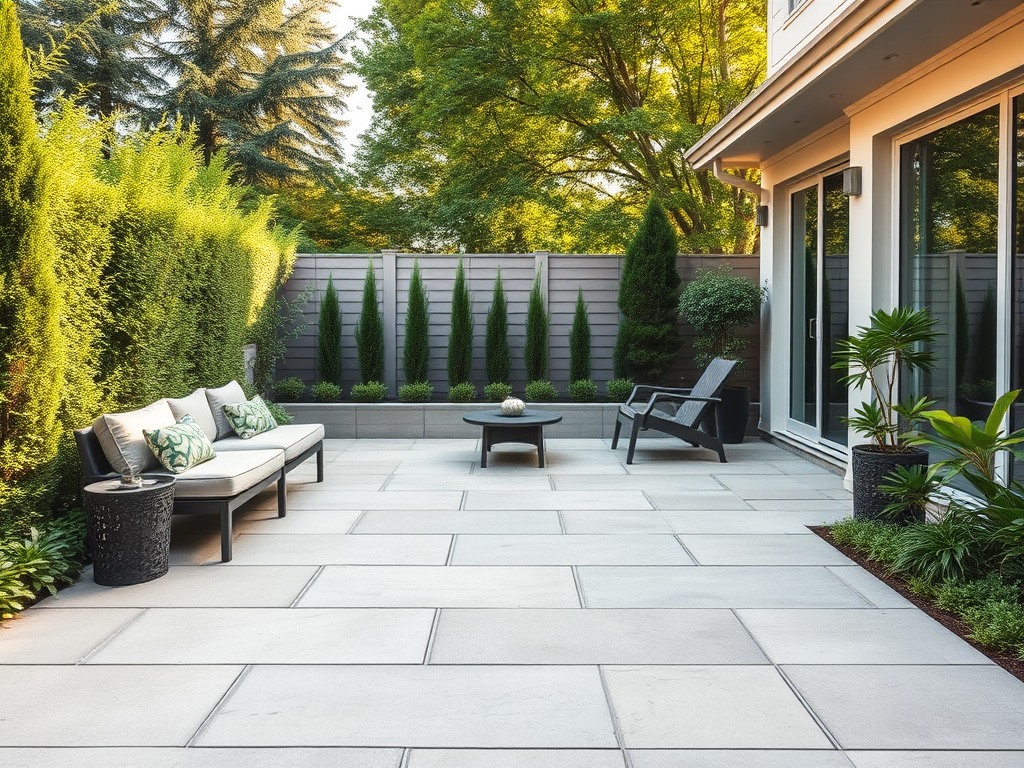
How to Choose the Right Hardscaping Materials
Comparing stone, concrete, brick, and composite options so you can make the best choice for your Buffalo-area property.
Read Article6 min read · April 10, 2026
Expert Lawn Care Tips, Trends & Inspiration
Stay up to date with seasonal lawn maintenance best practices and design upgrades that will transform your outdoor space.
Read Article
Talk To Hardscaping Pros Who Care About Your Property
Whether you need a new patio, retaining wall, fence, tree service, or winter property care, we provide personalized solutions tailored to your property.
Free Estimate
Tell us about your project
Share a few project details and RRR Hardscaping will review your request and contact you about the next step.